Tiger Scratch SVG: A Designer’s Real-World Embroidery Review
As someone who’s stitched hundreds of custom pieces—from boutique baby onesies to Etsy best-selling tote bags—I opened Tiger Scratch SVG expecting bold energy. What I found wasn’t just a graphic; it was a confident, slightly playful, hand-drawn tiger motif with strong negative space and intentional scratch-like linework. It reads instantly as “wild but wearable,” which makes it ideal for small business owners building cohesive, on-trend handmade product lines.
First Impressions: Mood, Shape, and Embroidery Readiness
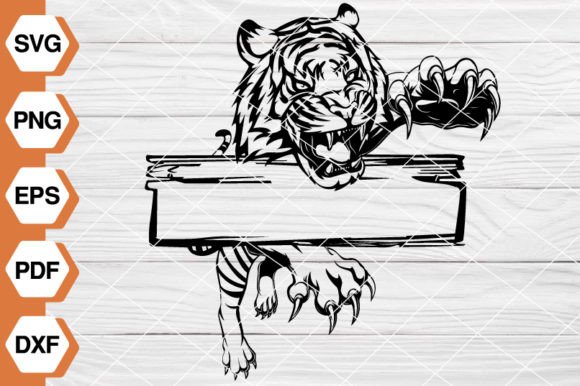
The Tiger Scratch SVG lands with visual clarity—no muddy edges, no confusing overlaps. Its silhouette is simplified but expressive: ears perked, one paw raised mid-scratch, tail flicking upward. The line weight varies subtly, suggesting motion without sacrificing stitchability. As an Illustrations asset, it leans into stylized charm rather than photorealism—and that’s smart. Realistic tiger embroidery often collapses under dense fill stitches; this version breathes. It’s built for satin stitch outlines and clean fill areas—not micro-detail work. That means fewer thread breaks, smoother hooping, and faster production when you’re stitching 30+ units for a craft fair or wholesale order.
Real Project Test: Embroidering a Linen Kitchen Towel
I tested Tiger Scratch SVG on a medium-weight natural linen towel—a common small shop staple. Why linen? It’s unforgiving. Loosely woven, slightly uneven, and prone to puckering if stabilizer or stitch density isn’t dialed in. I resized the design to 3.8” wide (a comfortable sweet spot for most kitchen textiles), used tear-away + light cutaway stabilizer combo, and chose matte cotton thread in burnt umber and cream.
Result? Crisp edges. The “scratch” texture translated beautifully into subtle running stitch accents along the tiger’s back—no need for separate decorative stitches. The open mouth and eye stayed legible even at this scale. Customers notice those details. One repeat buyer told me she bought the towel because “the tiger looked *alive*, not stamped.” That’s the power of a well-balanced embroidery file: it elevates a simple item into a personalized gift with quiet confidence.
Where It Shines (and Where to Pause)
Tiger Scratch SVG works exceptionally well for:
- Custom apparel: Sweatshirts, crewnecks, and unisex tees—especially on chest or sleeve placements where its asymmetry adds visual interest.
- Embroidered patch blanks: Clean outlines mean sharp heat-applied or sew-on results.
- Baby embroidery: On organic cotton burp cloths or knit caps, its friendly ferocity reads as whimsical—not intimidating.
- Holiday embroidery: Pair with forest green or rust thread for autumnal gifting; swap to charcoal and ivory for minimalist winter collections.
- Small shop product branding: Works as a subtle logo mark on tags, packaging tape, or apron pockets.
Use with thoughtful attention on:
- Thin or stretchy fabric: Like jersey or lightweight rayon—test hoop tension and stabilizer weight first. The design’s open areas can sink or distort without support.
- Curved surfaces: Caps or mugs (for printable mockups) may require slight digitizing tweaks—this digital embroidery file is vector-based, so scaling is safe, but warping isn’t automatic.
- Dark fabric: The fine scratch lines disappear unless you use high-contrast thread (e.g., bright orange on navy) or add a subtle drop shadow in your embroidery software.
- Frequent-wash items: Like kids’ towels or baby bibs—confirm stitch density isn’t too sparse in key outlines. Running stitch alone won’t hold up; layer with satin or fill where needed.
What This Means for Your Craft Business
When you choose Tiger Scratch SVG for a finished product, you’re not just adding decoration—you’re signaling intention. It tells customers your handmade product has been curated, not copied. That builds trust. Etsy sellers report higher conversion when listings include clear, stitched mockups—not just flat PNGs. Use the included PDF or EPS to build realistic printable mockups showing how the tiger sits on a curved tote handle or nestled in a corner of a pillow cover.
For commercial embroidery, remember: file format doesn’t equal license. The listing says “INSTANT DOWNLOAD” and lists SVG, PNG, EPS, PDF, DXF—all welded, high-res—but doesn’t state usage rights. Before selling embroidered items at scale or bundling this as part of a digital product pack, verify licensing terms directly with the seller. Many Graphics assets allow personal and small business use, but restrictions apply to resale of the raw files or mass-produced physical goods.
Practical Designer Notes You’ll Actually Use
Before stitching your first client piece or batch-producing for a holiday launch, do these five things:
- Test on scrap fabric—same type, same color, same stabilizer—as your final project.
- Check thread color contrast in both natural and artificial light. That “warm taupe” might read gray indoors.
- Review stitch density in your embroidery software. If fills look sparse, bump density by 5–10% for durability.
- Confirm hoop size compatibility. Even if the design fits a 4×4 hoop, tight corners may need repositioning—zoom in on anchor points.
- Inspect small details in black-and-white mode. Does the tiger’s claw still read? Does the eye retain shape? If not, simplify manually before stitching.
Lastly—don’t skip the stabilizer step. Even on stable fabrics like canvas or denim, Tiger Scratch SVG’s directional lines benefit from light cutaway. It prevents subtle wobble in the “scratch” strokes that would undermine the design’s energetic personality.
Final Thought: Not Just a File—A Design Decision
Tiger Scratch SVG isn’t flashy. It won’t dominate a full-chest sweatshirt layout or compete with ornate monograms. But it excels where authenticity matters most: on a handmade product meant to be held, used, gifted, and kept. It’s the kind of machine embroidery design that earns compliments—not because it shouts, but because it feels considered. For embroidery designers, Etsy sellers, and creative entrepreneurs building real businesses, that quiet confidence is worth more than any trend.