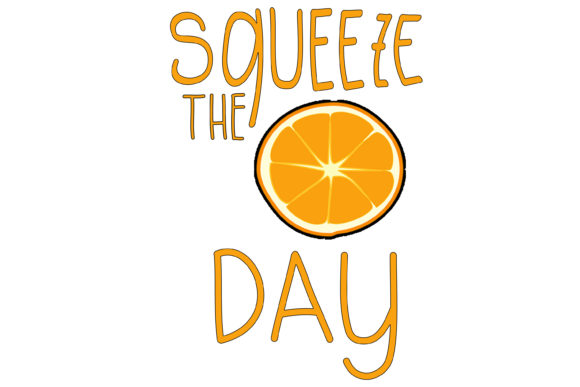
Squeeze the Day
A Designer’s First Glance: Bright, Bold, and Unapologetically Cheerful
When Squeeze the Day popped up on my screen—clean PNG preview against white—I felt that familiar little lift. Not just “cute” or “on-brand,” but genuinely joyful: citrusy yellow, crisp green, a playful hand-drawn lemon with a wink in its stem and bold, rounded lettering that feels like sunshine made legible. It’s an Illustrations-category graphic, yes—but more importantly, it reads as a ready-made embroidery concept. The shapes are generous, the outlines confident, and the negative space intentional. That tells me this wasn’t designed for print-only use; it’s built with stitch-friendly rhythm in mind.
Real-World Test: Embroidering It on a Linen Tote for My Local Boutique Client
Last week, I used Squeeze the Day to embroider a set of 24 linen tote bags for a small shop launching a summer “slow living” collection. We stitched it centered on the front panel, 4.2" wide, using medium-weight cutaway stabilizer and 40-weight rayon thread. The result? Crisp satin-stitched lemon contours, smooth fill-stitch segments (no pilling or skipped stitches), and lettering that held shape without oversaturation—even on textured, loosely woven linen. Customers loved how it looked *in person*: not flat or digital, but tactile, warm, and unmistakably handmade. That’s the difference between a good digital embroidery file and one that earns repeat orders.
Where Squeeze the Day Shines—and Where It Needs Thoughtful Handling
Squeeze the Day is naturally suited for custom apparel, tote bag design, sweatshirt embroidery, and embroidered patch applications—especially when you want approachability with polish. Its clean lines translate well into applique design workflows, and the SVG file makes resizing for different hoop sizes straightforward. It also works beautifully on baby embroidery projects (think onesies or burp cloths) and holiday embroidery pieces like tea towels or pillow covers—its positivity reads instantly, even at smaller scales.
But here’s what I watched closely:
- Small hoop sizes: Below 3", the inner lemon details and subtle curve of the “S” start to blur. Stick to 3.5" minimum for clarity on finished products.
- Textured or stretchy fabric: On ribbed cotton tees or lightweight knits, I added tear-away + wash-away stabilizer combo. The design’s moderate stitch density kept puckering low—but don’t skip stabilizer testing.
- Dark fabric: The bright yellow loses contrast on navy or charcoal unless you switch to a slightly deeper gold thread or add a white underlay. Always test thread colors on scrap first.
- Curved surfaces: For caps or curved aprons, I resized it slightly narrower (–8%) and repositioned the lemon higher—prevents distortion near the seam.
What This Design Says About Your Brand—Before a Single Stitch
Squeeze the Day doesn’t whisper. It invites. That matters—for Etsy sellers curating cheerful handmade product listings, craft fair vendors building booth appeal, or boutique owners reinforcing a light, grounded brand voice. When customers see it on a finished product, they register warmth, intention, and care—not generic clip art. That builds trust faster than any description. It also lifts perceived value: a $22 tote with Squeeze the Day stitched cleanly feels like a personalized gift, not mass-produced merch. And because it avoids over-detail (no tiny stems, no micro-shading), it photographs well across platforms—critical for digital product sellers using printable mockups.
Practical Notes Every Embroidery Designer Should Run Through
Before cutting fabric or loading your machine, treat Squeeze the Day like any serious machine embroidery design:
- Test it on scrap fabric *with your exact stabilizer and thread*—not just once, but twice: once on light fabric, once on dark.
- Check stitch density visually in your software. If fills look overly dense, reduce density by 5–7% for breathable fabrics like cotton voile or baby knits.
- Confirm hoop size compatibility. The original layout fits comfortably in a 5x7 hoop—but verify if your version includes alternate layouts (e.g., vertical for aprons).
- Zoom in on corners and curves. Does the “Q” tail or lemon stem hold clean termination? If not, a quick digitizing tweak may be needed for commercial embroidery consistency.
- Preview in black-and-white. Does the hierarchy hold? (Yes—it does. Lemon dominates, text supports.)
- Review licensing terms carefully. Since Squeeze the Day is labeled a Graphics asset with PSD/JPG/PNG/SVG files, confirm whether commercial use of finished embroidered items is permitted—and whether resale of the digital embroidery file itself is allowed.
Fitting Into Real Creative Workflows
I’ve used Squeeze the Day across three distinct contexts this season: as a standalone motif on organic cotton tea towels (great for holiday embroidery bundles), layered subtly behind monogrammed initials on linen pillow covers (a soft contrast to the boldness), and scaled down for baby embroidery on bibs—paired with a simple running stitch border for texture. In each case, it elevated the handmade product without overwhelming it. For craft business owners, that balance is gold: recognizable enough to become a signature, flexible enough to adapt across seasons and surfaces.
Final Thought: Joy That Stitches Well
Squeeze the Day isn’t just vibrant—it’s *viable*. It carries mood without sacrificing craft integrity. It’s the kind of design that makes customers pause mid-scroll, then click “add to cart” before reading the description. But its real strength lies in how it behaves under needle and thread: predictable, forgiving, and full of life—exactly what creative entrepreneurs need when turning design assets into trusted finished products. Just remember: respect the fabric, honor the stabilizer, test early, and let that lemon shine.